
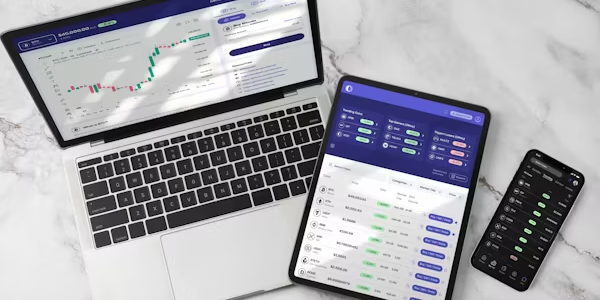
Financial tools have become an integral part of managing day-to-day expenses and organizing personal finances. These tools are designed to simplify tasks such as tracking spending, planning budgets, and monitoring financial activity.
Many digital platforms offer features that allow users to categorize expenses, set spending limits, and review past transactions. This level of visibility can help individuals understand their habits and identify areas where adjustments may be needed.
Budgeting tools are among the most commonly used features. They provide a structured way to allocate funds for different categories such as essentials, savings, and discretionary spending. This helps in maintaining balance and avoiding overspending.
Some tools also include reminders and alerts, which can be useful for staying on track with recurring payments or planned expenses. These features add convenience and reduce the likelihood of missed deadlines.
Security is another important aspect of financial tools. Most platforms incorporate safeguards such as encryption and secure access to protect user information. It is advisable to review these features before selecting a tool.
Overall, financial tools offer a practical way to organize and manage finances in a structured manner. By using these tools consistently, individuals can maintain better awareness and control over their financial activities.