Credit Scores and Sustainability: A New Era of Green Finance

As consumers become more environmentally conscious, the financial world is evolving to reflect those values. Green finance is no longer limited to eco-friendly loans or investment portfolios—it’s beginning to influence how creditworthiness is evaluated. This shift is introducing a new era where sustainable choices may help borrowers strengthen their financial profiles. For families, entrepreneurs, and…


Credit Scores and Mental Health: Breaking the Stress Cycle

Many people underestimate how closely financial well-being and mental health are connected. Credit scores, in particular, can quietly influence daily stress levels, self-confidence, and long-term decision-making. When someone is worried about their credit, even small financial tasks can feel overwhelming. This stress often creates a cycle: anxiety leads to avoidance, avoidance leads to late payments,…

Authorized-User Strategy Redefined: Boosting Score via Trusted Networks

Building a strong credit score isn’t just about managing your own accounts, it’s also about leveraging trusted financial relationships. The authorized-user strategy, long known as a credit-building shortcut, is evolving in today’s data-driven lending world. When used thoughtfully, joining or adding someone as an authorized user can open new pathways for score growth and financial…

How Your Credit Score Affects Loan Approvals

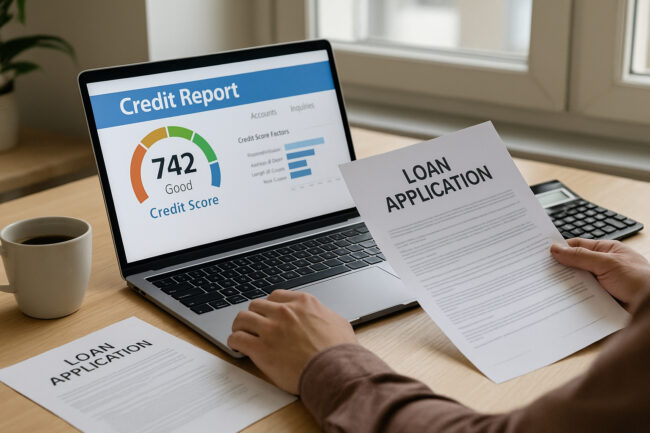
When applying for a loan—whether for a car, a home, or a business—your credit score often determines not only if you’re approved but also how much you’ll pay in interest. This three-digit number reflects your creditworthiness, or how likely you are to repay borrowed money. Understanding how lenders use your score can help you make…

Tips for Young Adults to Start Building Credit

Building credit is one of the most important steps toward financial independence. For young adults in the U.S., a solid credit history opens doors to renting an apartment, buying a car, securing loans, and even landing certain jobs. However, establishing credit can seem intimidating at first. The good news is that with the right strategies…

How to Turn Credit Building into a Family Activity

Building good credit is essential for financial stability, and it’s a skill best learned early. By turning credit education into a family activity, parents can help children develop responsible money habits while strengthening their own financial discipline. Teaching the value of credit as a shared household goal not only prepares younger generations for the future…

How Often Should You Check Your Credit Score?

Your credit score plays a crucial role in your financial life — influencing loan approvals, interest rates, and even job applications. Yet, many people either ignore it or check it too rarely. Monitoring your credit score regularly helps you stay financially healthy, detect errors early, and protect against identity theft. But how often is too…

How Credit Utilization Impacts Your Score

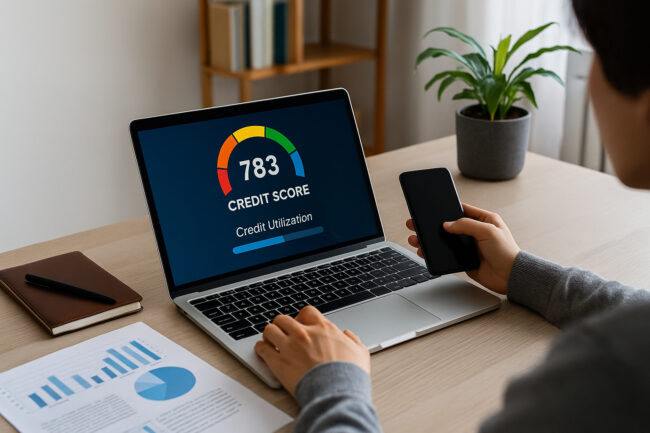
Your credit score reflects your financial habits, and one of the most important factors that influences it is credit utilization. This often-overlooked metric plays a major role in determining how lenders view your financial reliability. Understanding how credit utilization works — and keeping it under control — can help you maintain or improve your credit…

Tips to Improve Your Credit Score Quickly

A good credit score is your ticket to better financial opportunities — from lower loan interest rates to higher credit limits and easier approvals. The good news? With a few strategic actions, you can improve your credit score faster than you might think. Whether you’re rebuilding after financial challenges or simply aiming for top-tier status,…

Managing Credit Card Debt Responsibly

Here are practical tips for managing credit card debt responsibly: 1. Create—and stick to—a Budget Track all sources of income alongside monthly expenses. Allocate a portion of the budget specifically for credit card repayment and identify discretionary areas (such as dining out or streaming services) where spending can be trimmed in favor of debt reduction.…